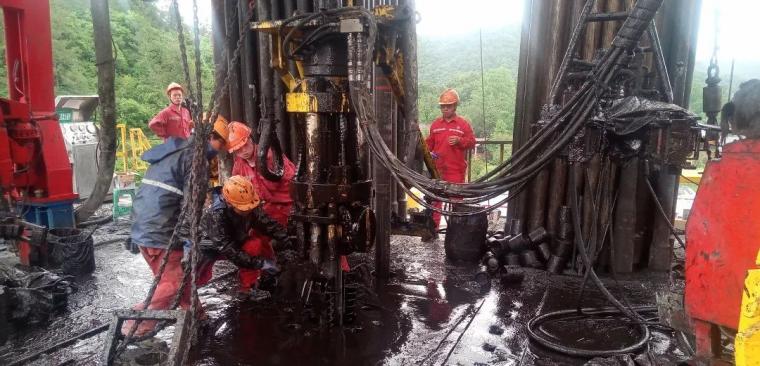
In oil drilling, achieving a filter cake that is thin, tough, dense, and low-permeability relies primarily on specific categories of drilling fluid treatment agents to enhance its quality. These agents are categorized below based on their specific functions:
I. Core Film-Forming Agents and Filter Cake Structure Enhancers
Fluid Loss Control Agents (Filtration Control Agents)
These are the most direct agents for improving the filter cake, making it thinner and denser.
Commonly Used:
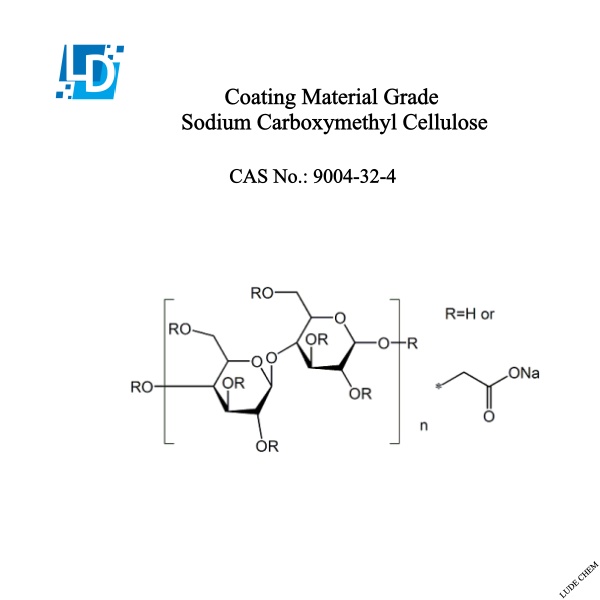
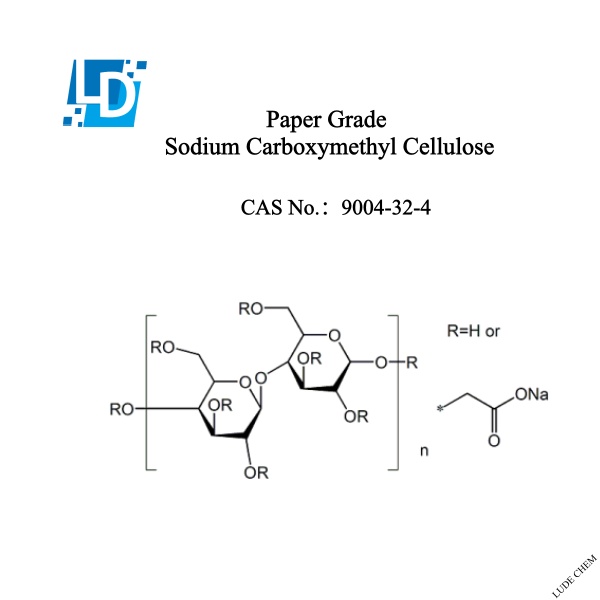
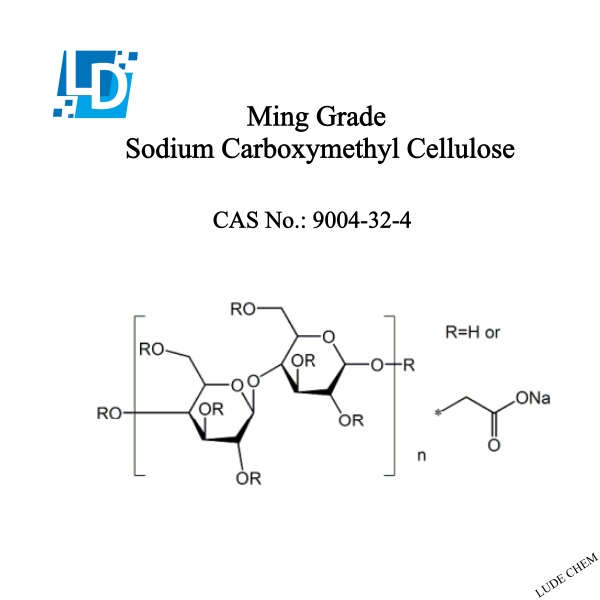
HV-PAC, LV-PAC (Polyanionic Cellulose)
Starch-based agents (Modified Starch, Pregelatinized Starch)
Lignite-based agents (Lignite Resin, Potassium Humate)
Polymer-based agents: Polyacrylates, Acrylamide-based polymers
Bentonite (Drilling Clay)
A fundamental mud-making material that forms the structural skeleton of a thin, highly plastic filter cake.
Often used in conjunction with soda ash (sodium carbonate) to enhance the mud-making yield.
II. Agents for Enhancing Filter Cake Toughness and Adhesion
Coating Agents / Shale Inhibitors
Examples include KCl, Polyquaternary Ammonium Salts, and Low-Molecular-Weight Cationic Polymers.
These agents enhance the toughness of the filter cake, prevent it from peeling or sloughing off, and help avoid the formation of thick, loose filter cakes.
Asphalt-based Bridging Agents
Oxidized Asphalt, Sulfonated Asphalt, Emulsified Asphalt.
These agents fill micro-cracks within the filter cake and plug pores, resulting in a denser filter cake with significantly reduced fluid loss.
III. Agents for Improving Particle Size Distribution and Optimizing Filter Cake Structure
Ultrafine Calcium Carbonate / Rigid Bridging Agents
Fine particles fill the interstitial spaces within the filter cake, reducing porosity and thereby lowering fluid loss.
Emulsifiers / Oils
In oil-based and oil-emulsion drilling fluids, these agents facilitate the formation of a dense, water-in-oil emulsion filter cake characterized by extremely low fluid loss.
IV. Agents for Reducing Detrimental Solids and Preventing Excessive Filter Cake Thickness
Flocculants / Dispersants
Dispersants (e.g., Iron-Chromium Salts, Tannins, Quebracho Extract): These agents disperse drill cuttings, preventing the accumulation of coarse particles that would otherwise lead to the formation of a thick filter cake.
Flocculants: These agents flocculate unwanted drill cuttings, facilitating their removal and thereby helping to control the thickness of the filter cake.
To achieve a high-quality filter cake, the primary additives include:
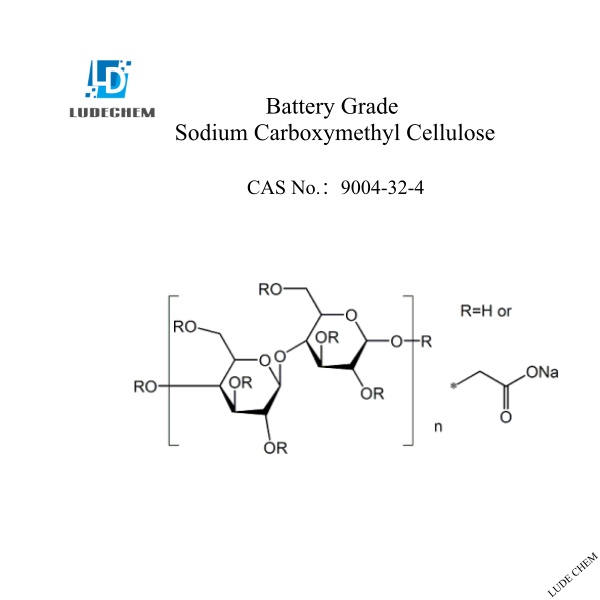
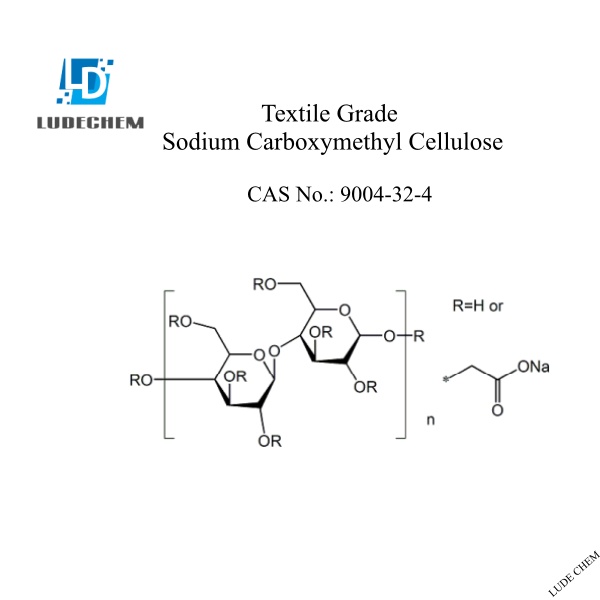
Fluid Loss Control Agents (CMC, PAC, starch, lignite-based materials)
Bentonite (to form the slurry matrix/skeleton)
Bridging/Sealing Agents (asphalt, ultrafine calcium carbonate)
Encapsulating Shale Inhibitors (to enhance filter cake toughness)
The ultimate objective is a filter cake that is thin, tough, dense, and of low permeability, with a low coefficient of friction.