The rate at which Sodium Carboxymethyl Cellulose (CMC-Na) reduces viscosity depends primarily on its Degree of Polymerization (DP), followed by its Degree of Substitution (DS).
I. Core Parameter: Degree of Polymerization (DP)
Definition: The average length of the cellulose molecular chains, which directly corresponds to the molecular weight.
Viscosity Reduction Behavior:
Higher DP: The molecular chains are longer and contain more glycosidic bonds; consequently, under exposure to heat, shear stress, or oxidation, chain scission occurs more rapidly, resulting in a greater reduction in viscosity and a faster rate of viscosity loss.
Lower DP: The shorter chains exhibit stronger resistance to degradation; viscosity reduction is slower, and the viscosity retention rate remains high.
Example: At the same degree of substitution, a solution with a high DP (e.g., 1000) may lose 50% of its viscosity after being held at 90°C for 24 hours, whereas a solution with a low DP (e.g., 200) would lose only 10%–20%.
II. Key Auxiliary Parameter: Degree of Substitution (DS)
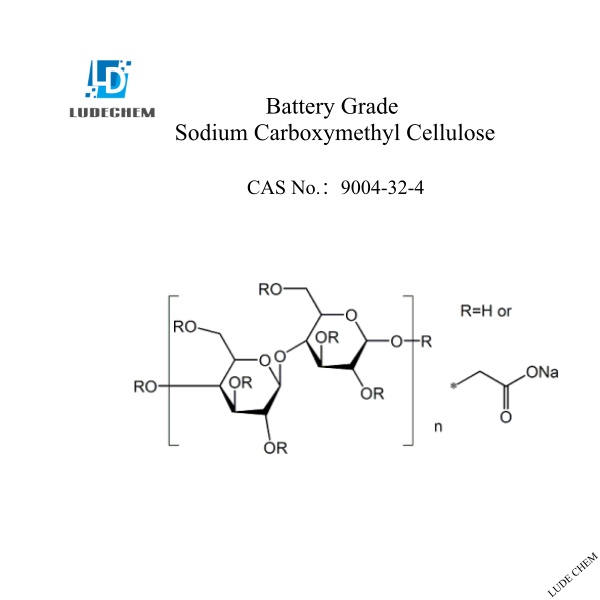
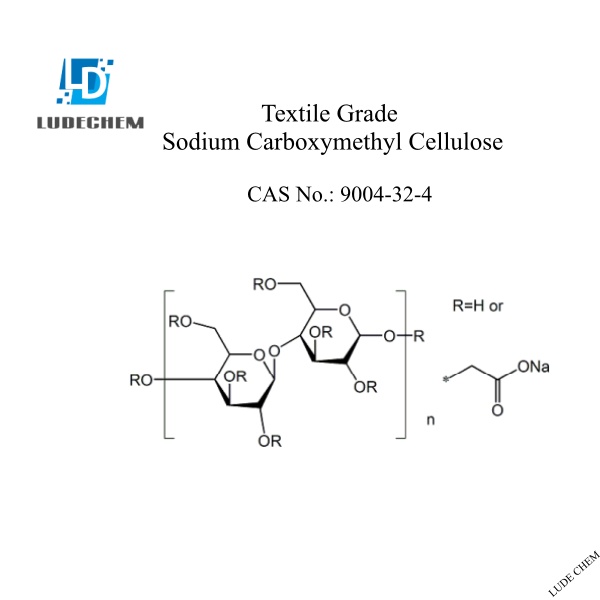
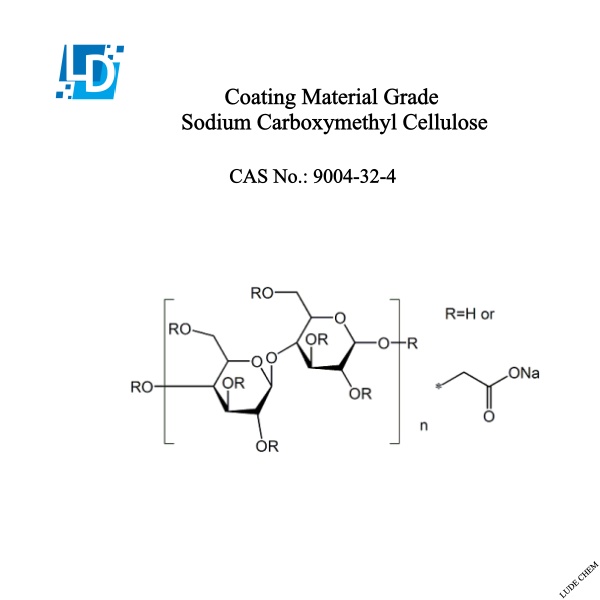
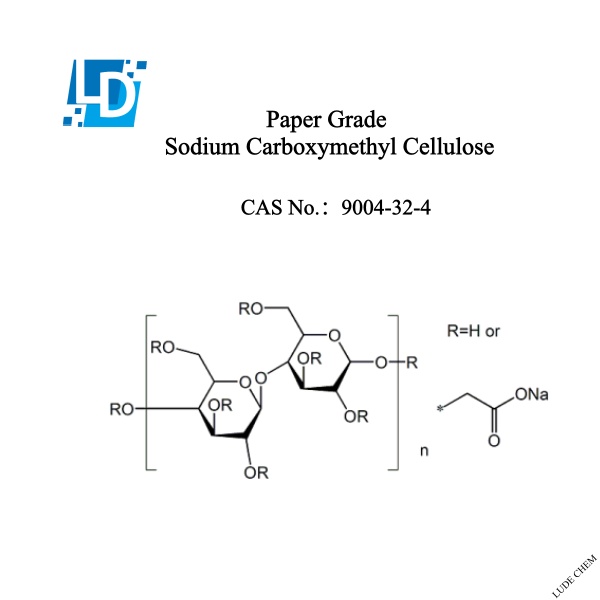
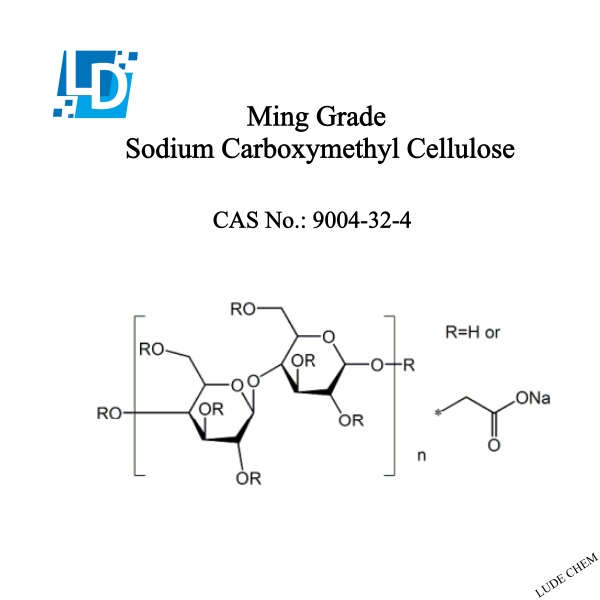
Definition: The average number of carboxymethyl groups (–CH₂COONa) substituted onto each cellulose repeating unit; typically ranges from 0.6 to 1.2.
Viscosity Reduction Behavior:
Higher DS: The presence of numerous carboxymethyl groups creates significant steric hindrance, which shields the glycosidic bonds and enhances resistance to degradation; consequently, viscosity reduction is slower.
Lower DS: The molecular chains are more exposed and susceptible to hydrolysis; this leads to a faster rate of viscosity reduction and poorer stability.
Example: After sterilization at 121°C for 30 minutes, a sample with DS=1.2 retains approximately 85% of its original viscosity, whereas a sample with DS=0.3 retains only about 55%.
III. Other Influencing Factors (External)
Temperature: Temperatures exceeding 80°C accelerate degradation, with viscosity reduction becoming particularly significant above 90°C.
Shear Stress: High-speed agitation or pumping induces molecular chain alignment and scission, thereby accelerating the rate of viscosity reduction.
pH: Under strongly acidic conditions (pH < 4), the carboxymethyl groups are prone to protonation, leading to chain contraction and scission, which results in rapid viscosity reduction.
Salts: High-valence metal ions tend to form complexes and precipitate the polymer, while monovalent salts compress the electrical double layer; both mechanisms accelerate the rate of viscosity reduction.
Microorganisms: Cellulases and molds can degrade the molecular chains; under conditions of high humidity and temperatures between 25°C and 30°C, viscosity reduction occurs extremely rapidly.
IV. Quick Summary
Rate of Viscosity Reduction: Degree of Polymerization (Primary) > Degree of Substitution (Secondary) > Environmental Conditions (External).
Selection Recommendation: For applications requiring resistance to viscosity reduction and high stability → Select a grade with a low degree of polymerization and a high degree of substitution.