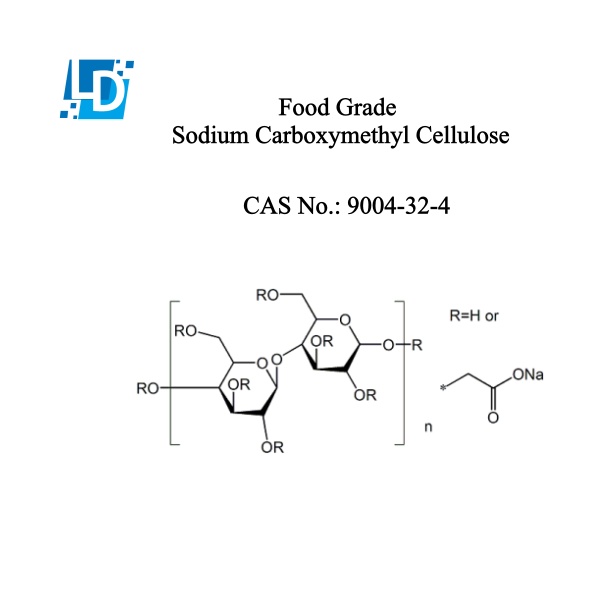
Food Grade Sodium Carboxymethyl Cellulose
Specification of Product
Product Name : Food Grade Sodium Carboxymethyl Cellulose
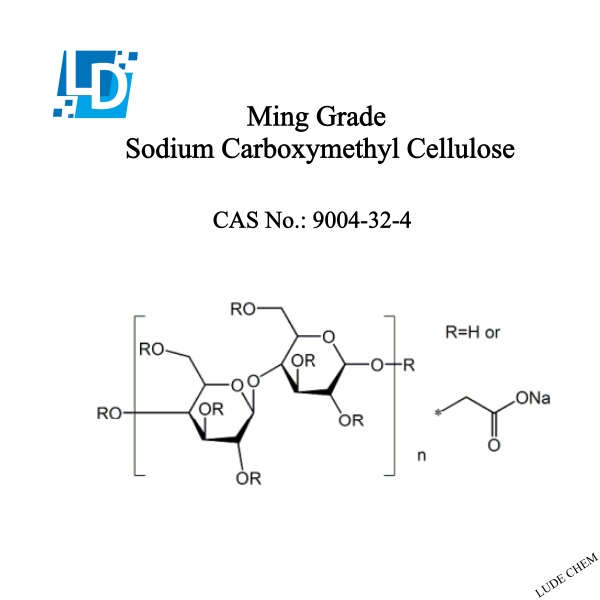
Sodium CMC
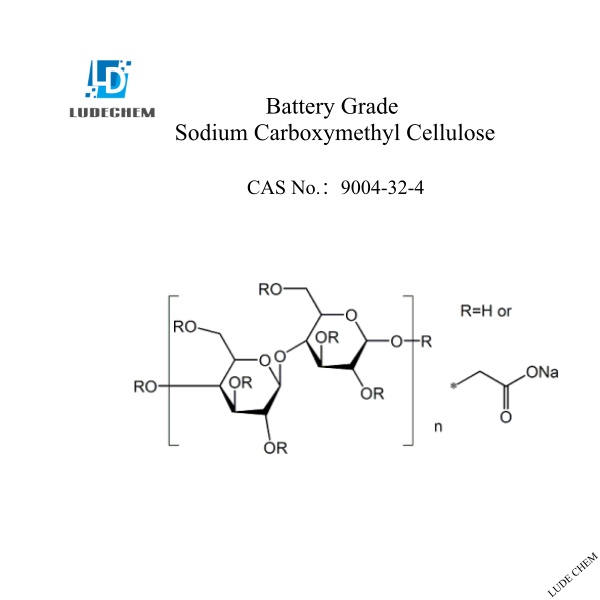
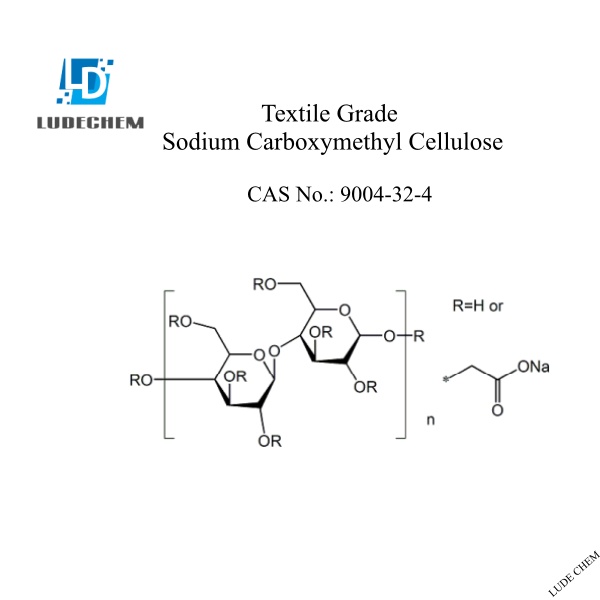
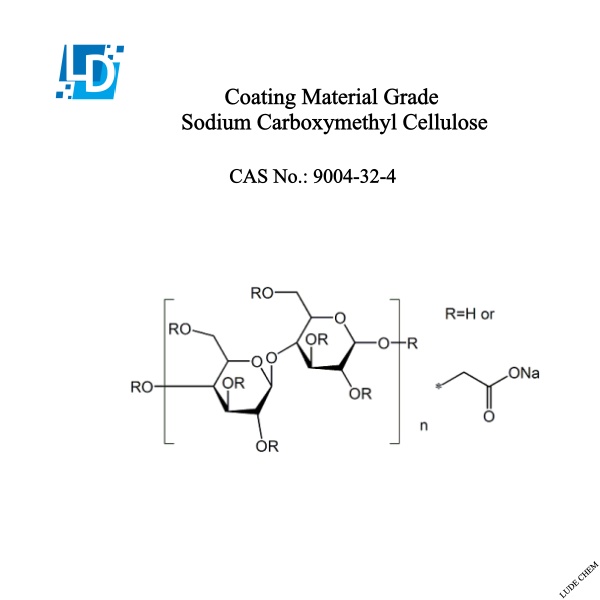
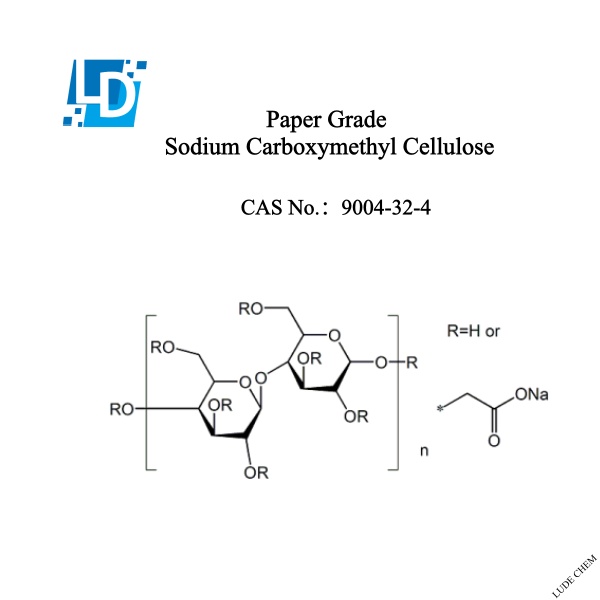
CAS No.: 9004-32-4
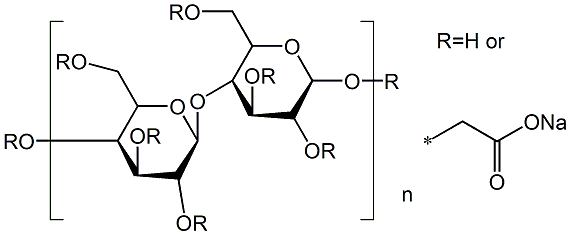
Chemical formula: [C6H7O2(OH)x•(C2H2O3Na)y]n
Food Grade Sodium Carboxymethyl Cellulose Functions:
Thickening, emulsifying, suspending, stabilizing, shape retention, film-forming, puffing, texture improvement, preservation, acid resistance, and health-promoting effects, among others.
Food Grade Sodium Carboxymethyl Cellulose Applications:
Frozen products, lactic acid beverages, powdered beverages, fruit juices, jams, condiments, biscuits, instant noodles, ice cream, bread and pastries, baked goods, meat products, etc.
Food Grade Sodium Carboxymethyl Cellulose Functional Properties in Food Applications:
1. Thickening and Emulsifying Stabilization
Food-grade Sodium Carboxymethyl Cellulose (CMC-Na) provides emulsifying and stabilizing effects in beverages containing fats and proteins. Typically, fat-containing beverages feature varying levels of fat and a certain amount of protein; during storage, these components are prone to separation and floating to the surface, forming an unsightly "collar" that compromises the product's visual appeal.
Furthermore, proteins are susceptible to aggregation and separation—a phenomenon that is particularly inevitable in products with low pH levels. CMC-Na effectively resolves these issues; upon dissolving in water, it forms a transparent, stable colloid that stabilizes proteins while simultaneously reducing the surface tension between fats and water, thereby ensuring thorough emulsification of the fats. Consequently, CMC-Na is widely utilized as a thickening agent within the food industry.
2. Water Retention
Sodium Carboxymethyl Cellulose exhibits hydrating properties. In food products such as meat items, bread, and steamed buns, it acts as a texture modifier; moreover, it inhibits moisture evaporation, thereby increasing product yield and enhancing mouthfeel.
3. Gelling Properties
Thixotropic Sodium Carboxymethyl Cellulose refers to a variety in which the macromolecular chains undergo a certain degree of mutual interaction, tending to form a three-dimensional network structure. Once this three-dimensional structure is established, the apparent viscosity of the solution increases; conversely, when this structure is disrupted, the apparent viscosity decreases. Thixotropy is defined as the phenomenon wherein apparent viscosity varies as a function of time. Thixotropic Sodium Carboxymethyl Cellulose plays a crucial role in gel-based systems and is frequently employed in the production of jellies and jams.
4. Film-Forming Properties
Sodium Carboxymethyl Cellulose is capable of forming a protective film on the surface of food products. This film provides a degree of protection for fruits and vegetables; specifically, its presence creates a gaseous microenvironment between the film and the produce characterized by low oxygen levels and high carbon dioxide levels. This environment effectively reduces the rates of gas and material exchange, thereby serving to extend the shelf life of fruits and vegetables. Sodium carboxymethyl cellulose also possesses various other properties—such as suspending capabilities and chemical stability—which have laid the foundation for its widespread application in the food industry.
Food Grade Sodium Carboxymethyl Cellulose Packaging & Storage:
25 kg/bag.
Stored in dry and ventilation place, far from heat and water.