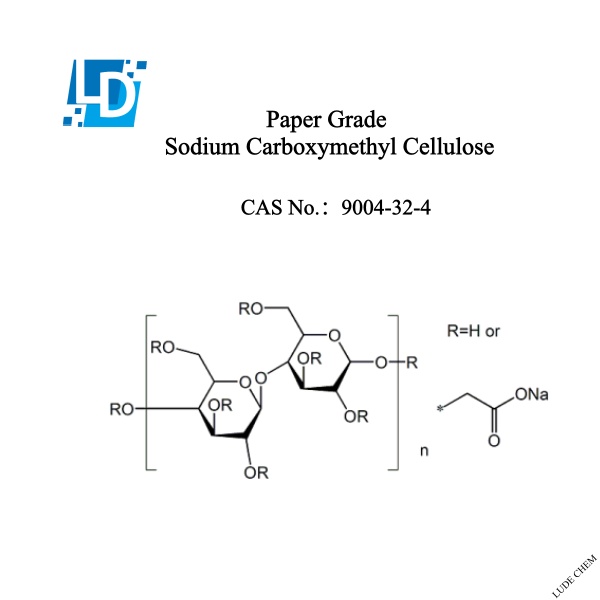
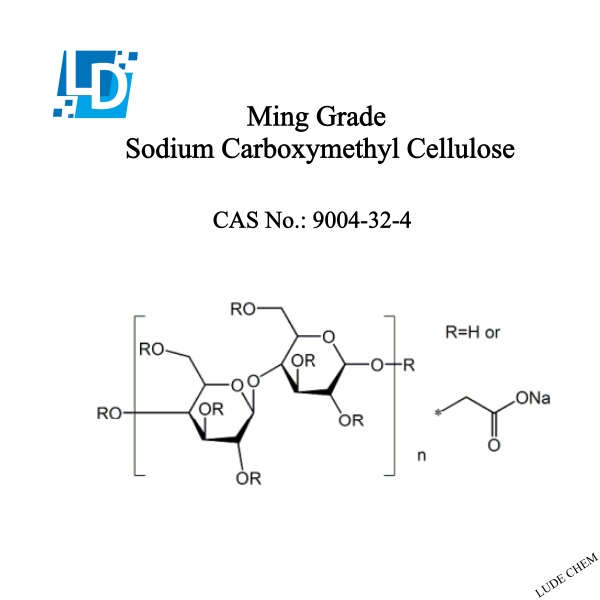
Ultra-Low Viscosity CMC Production
Key to Ultra-Low Viscosity CMC: Reducing the degree of polymerization of cellulose, controlling oxidation, and increasing the degree of substitution.
I. Raw Materials
Use low-polymerization refined cotton or wood pulp, or microcrystalline cellulose, to reduce viscosity from the source.
II. Main Process
Pre-oxidation: Add a small amount of hydrogen peroxide or other oxidants to the cotton pulp and react at a certain temperature to break the molecular chains and reduce viscosity.
Alkalinization: Add sodium hydroxide and ethanol to produce alkali cellulose.
Etherification: Add chloroacetic acid and react at a higher temperature to ensure a high degree of substitution, resulting in good solubility and stable viscosity.
Post-oxidation (Core): After etherification, add hydrogen peroxide and continue degradation at a weakly alkaline, medium-temperature environment to reduce viscosity to the ultra-low range.
Washing, Neutralization, and Drying
Wash with ethanol to remove salt, adjust pH to neutral, and dry at low temperature.
III. Key Control Points
The amount of oxidant, temperature, and time directly determine the viscosity.
A high degree of substitution is necessary; otherwise, poor solubility and excessive water-insoluble matter will result.
Excessive oxidation is detrimental; otherwise, the color will darken and solubility will decrease.
The entire process is carried out in organic solvents such as ethanol, ensuring a uniform reaction.
IV. Brief Summary: Production of ultra-low viscosity CMC: Select low-viscosity raw materials → Alkaliization and etherification → Two-stage oxidation to control viscosity → High degree of substitution → Washing and drying, yielding CMC with a very low viscosity of 2%.