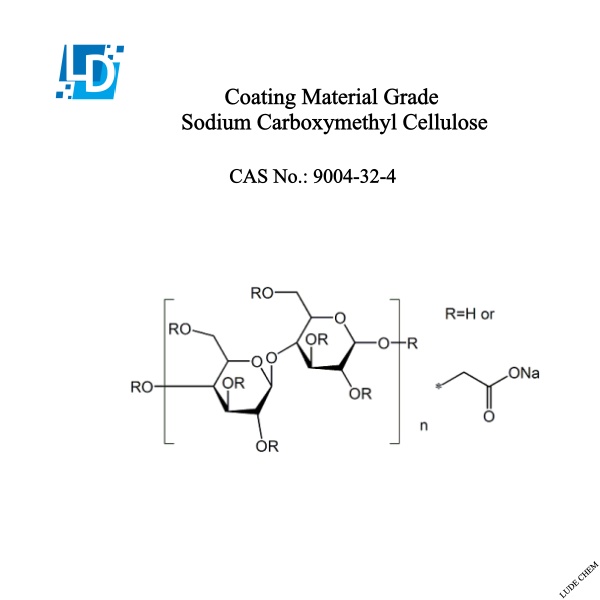
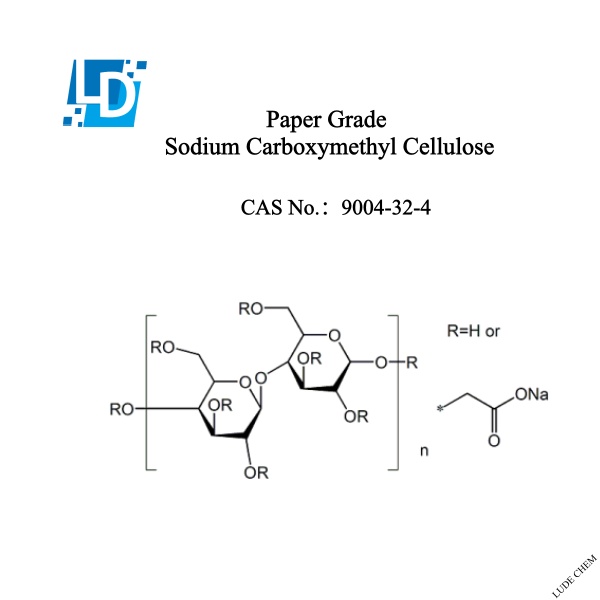
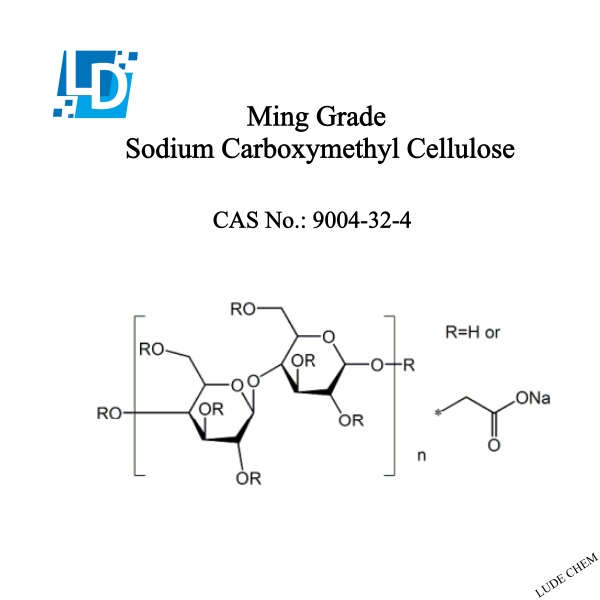
The core differences in viscosity between PAC and CMC are as follows:
1. Salt Resistance (The Most Fundamental Difference)
Polyanionic cellulose (PAC): High and uniform degree of substitution, with very strong molecular chains. Its apparent viscosity remains stable even in high-concentration brine (even saturated brine) and does not fail due to salt interference.
Sodium carboxymethyl cellulose (CMC): Lower degree of substitution, causing "agglomeration" upon contact with salt. In brine, its viscosity rapidly decreases, losing its suspending and thickening effects.
2. Thermal Stability
PAC: Stronger temperature resistance, typically maintaining good apparent viscosity at 130-150℃, suitable for deep well operations.
CMC: Temperature resistance is typically limited to 100-120℃; above this temperature, viscosity drops significantly, and molecules easily degrade.
3. Balance Between Thickening and Filtration Loss Reduction
PAC: Not only provides stable apparent viscosity, but also better "adhesion," maintaining a strong filtration loss reduction effect even at low viscosity.
CMC: Primarily relies on increasing overall viscosity to control water flow, with a single function.
In precision drilling applications requiring low viscosity and strong water control, CMC falls short.
In short: PAC is a "high-performance version" of CMC, offering greater viscosity resistance to salt, higher temperatures, and greater stability.