The core principle for selecting Polyanionic Cellulose (PAC) for oil drilling is to determine the model based on the bottom-hole temperature corresponding to the well depth and the salinity, while also matching the PAC functional type. A simple selection principle is as follows:
1. Medium-deep wells (4000-5000 meters, bottom-hole temperature 120-150℃): Use conventional PAC, suitable for freshwater/low-saltification formations. For filtration loss reduction, choose PAC-LV; for viscosity enhancement, choose PAC-HV.
2. Deep/ultra-deep wells (5000-7000 meters, bottom-hole temperature 150-180℃): Select high-temperature modified salt-resistant PAC, suitable for high-salt, high-calcium-magnesium complex formations. Prioritize PAC-LV for filtration loss control.
3. Ultra-deep/very deep wells (over 7000 meters, bottom-hole temperature 180-220℃): Use ultra-high-temperature specially modified PAC. For high-temperature and high-pressure conditions, it can be combined with high-temperature stabilizers. PAC-LV is the preferred choice.
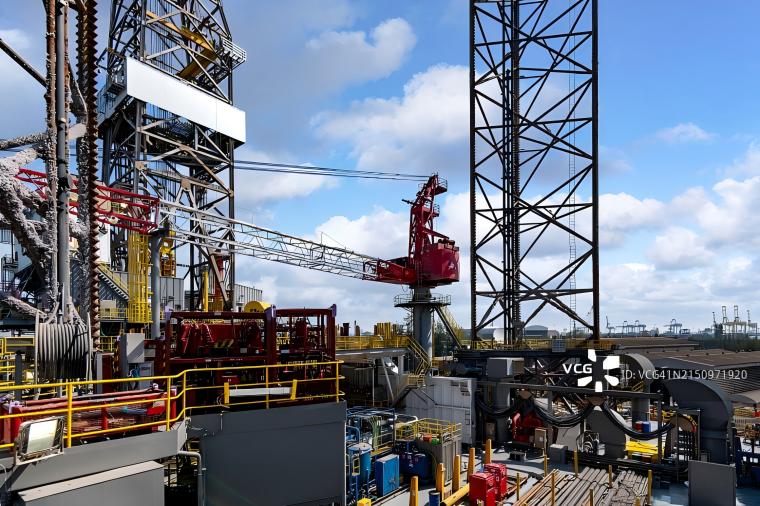
4. For offshore deep-water drilling at depths of 3000 meters: Salt-resistant PACs are preferred, with salt resistance taking precedence over temperature resistance.
Note: The geothermal gradient is approximately 2.5-3℃/100 meters. High-salt environments will reduce the temperature resistance of PAC, requiring a corresponding adjustment to the suitable well depth. The final selection should be based on the actual measured temperature and salinity at the bottom of the well.