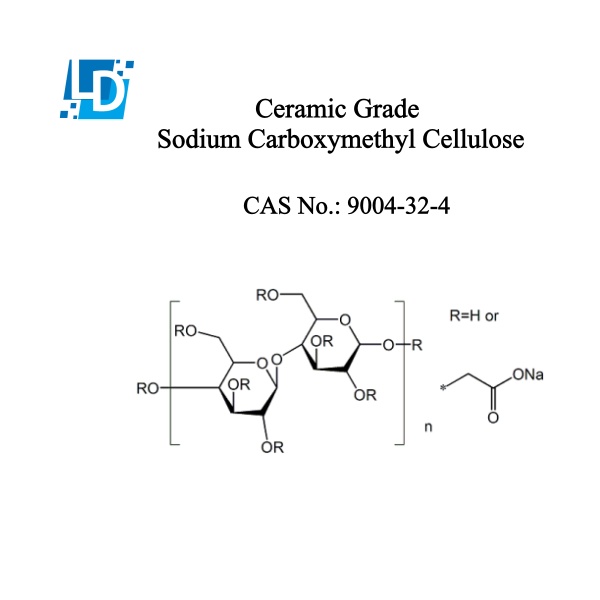
I. Differences in Chemical Structure and Modification
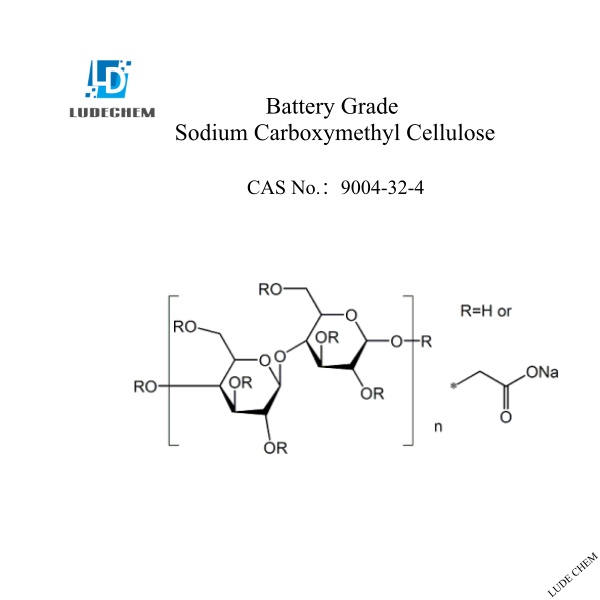
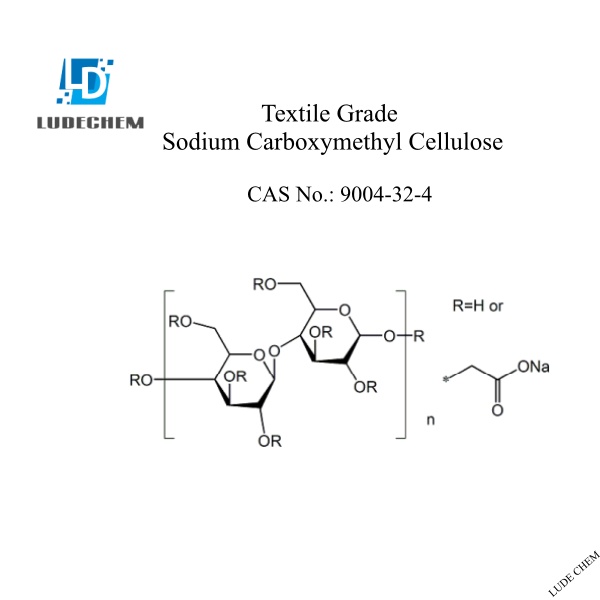
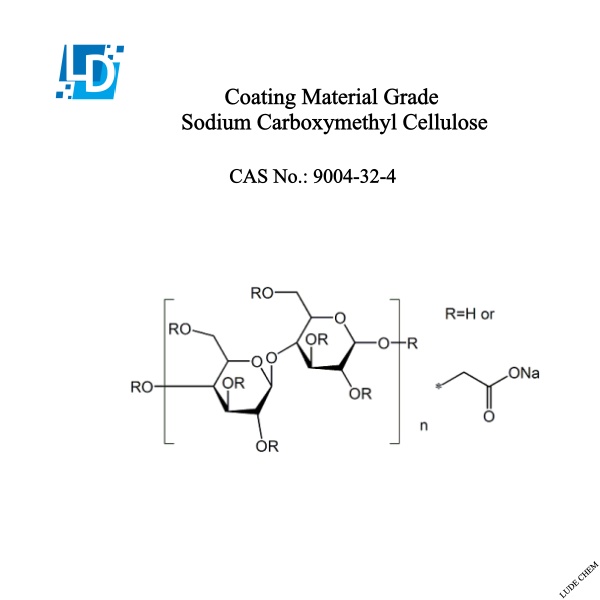
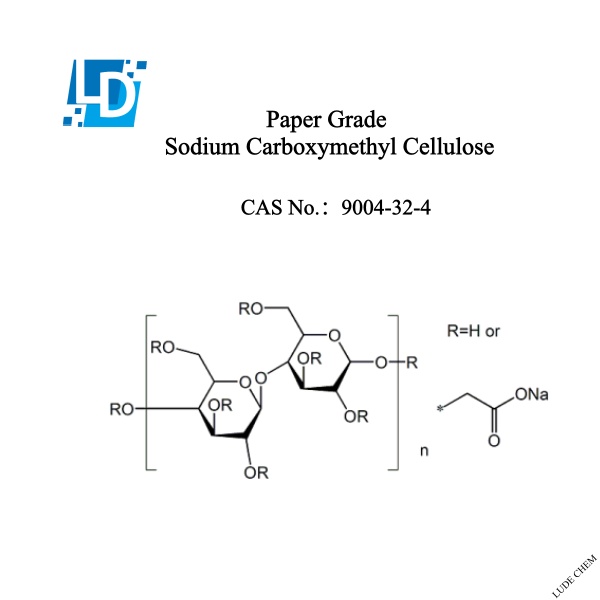
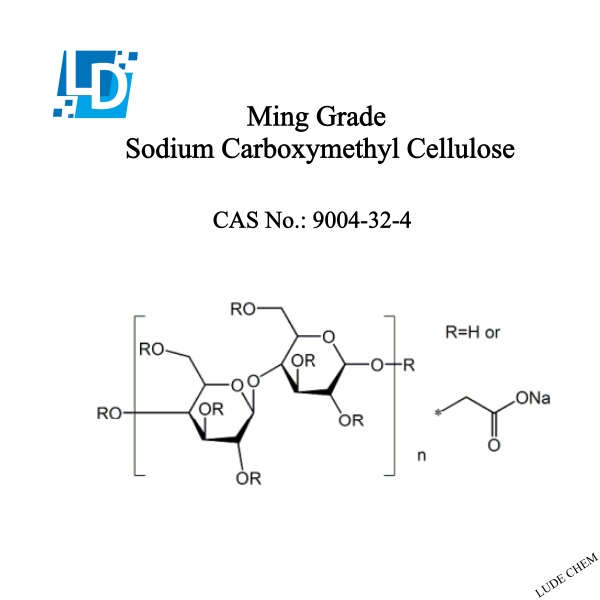
Sodium Carboxymethyl Cellulose (CMC-Na): Monocarboxymethylated modified, containing only carboxymethyl anions, degree of substitution (DS) 0.6~1.2, low charge density.
Polyanionic Cellulose (PAC): Etherified modified, containing carboxymethyl groups, higher degree of substitution and charge density, more extended molecular chains.
II. Core Performance Comparison
Salt Resistance: CMC-Na is weak, with a sharp drop in viscosity in high-salt environments; PAC is strong and suitable for salt solutions such as seawater.
Temperature Resistance: CMC-Na is stable at ≤80℃, but easily decarboxylates and degrades at 121℃; PAC is stable at ≤150℃, exhibiting significantly better temperature resistance.
pH Adaptability: CMC-Na is easily hydrolyzed in alkaline environments (pH>10); PAC is stable at pH 3-11.
Viscosity Performance: CMC-Na has lower viscosity at the same concentration; PAC has higher viscosity at the same concentration.
Hydrolytic Stability: CMC-Na is moderate, easily degraded in acidic and alkaline environments; PAC is strong, especially resistant to acidic environments.
III. Differences in Preparation Processes
Core Raw Materials: CMC-Na: Cellulose, chloroacetic acid, liquid alkali; PAC: Refined cotton, chloroacetic acid, phosphorylation reagent
Reaction Medium: CMC-Na: Aqueous/solvent method; PAC: Ethanol medium, controllable reaction sequence
Product Purity: CMC-Na Containing impurities such as sodium glycolate, its purity is relatively low; PAC is finely purified, with low salt content and high purity.
IV. Application Area Differentiation
Sodium Carboxymethyl Cellulose (CMC-Na): Highly versatile and cost-effective, suitable for conventional applications such as food, pharmaceuticals, daily chemicals, and papermaking.
Polyanionic Cellulose (PAC): Dedicated to extreme environments, focusing on demanding conditions such as oil drilling (offshore/saltwater wells), acidic water treatment, and high-temperature systems.

Summary: For conventional environments, choose CMC-Na (balancing economy and versatility); for demanding scenarios such as high salt, high temperature, and wide pH ranges, prioritize PAC (ensuring stable performance).